
mohammad36w17
About mohammad36w17
The best way to Win Pals And Influence Folks with Mortgage
 There is a version of the housing market story that gets told over and over, and it goes like this: prices are high, rates are high, nothing is affordable, and the only people buying are the ones with cash. That version is not wrong, exactly. It is just incomplete.
 Home prices at the national level have stayed stubbornly high even as financing costs doubled in under two years. The reason is supply. A seller who bought in 2021 at a three percent rate has nowhere affordable to go if they list today, which means the correction that many analysts were expecting simply did not materialize the way the data suggested it should.
 Affordability, by the standard measure of what share of median household income goes toward the monthly payment on a median-priced home, is near its worst level since the early 1980s. That is a real problem, and it is not going away quickly. That measure being at a historical extreme does not automatically produce a correction. What it means, practically, is that the buyer who can close confidently has more leverage than the headline numbers suggest.
Before you look at a single listing, get your financing fully sorted. Not a rough estimate. Not a verbal confirmation from a loan officer you met once. A full pre-approval based on verified income, tax returns, bank statements, and a hard credit pull. Without that letter, you are not a buyer, you are a browser.
If the report surfaces problems that go well beyond normal wear and tear, you have real choices, and walking away is a legitimate one of them. You can request a credit against the purchase price to handle repairs yourself. The one thing to avoid is accepting everything uncritically because you are afraid of losing the deal.
 Budget between two and five percent depending on your loan type and the state you are buying in. First-time buyers are sometimes surprised by how much cash is required beyond the down payment itself. Ask your lender for a Loan Estimate with a realistic purchase price so the numbers reflect what you are actually going to face.
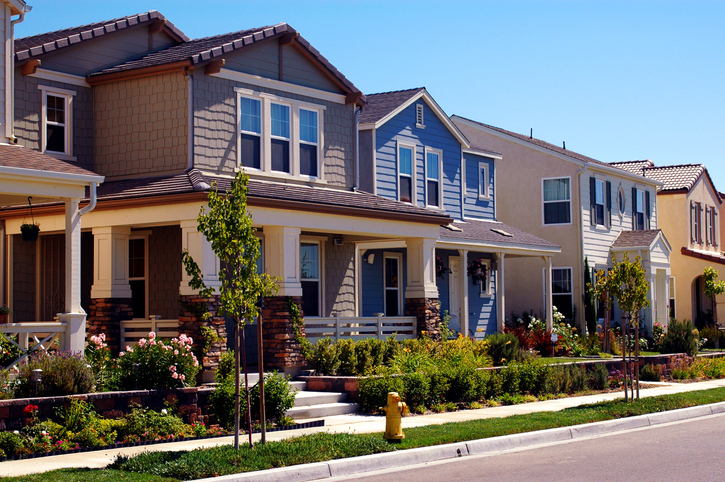 The timing question, whether to buy now or wait for prices to pull back, is the one that trips up more buyers than any other single factor. No one consistently times the real estate market. The more useful question is not whether now is the right time in the abstract; it is whether you are buying because the numbers make sense for you, not because you feel social pressure to own.
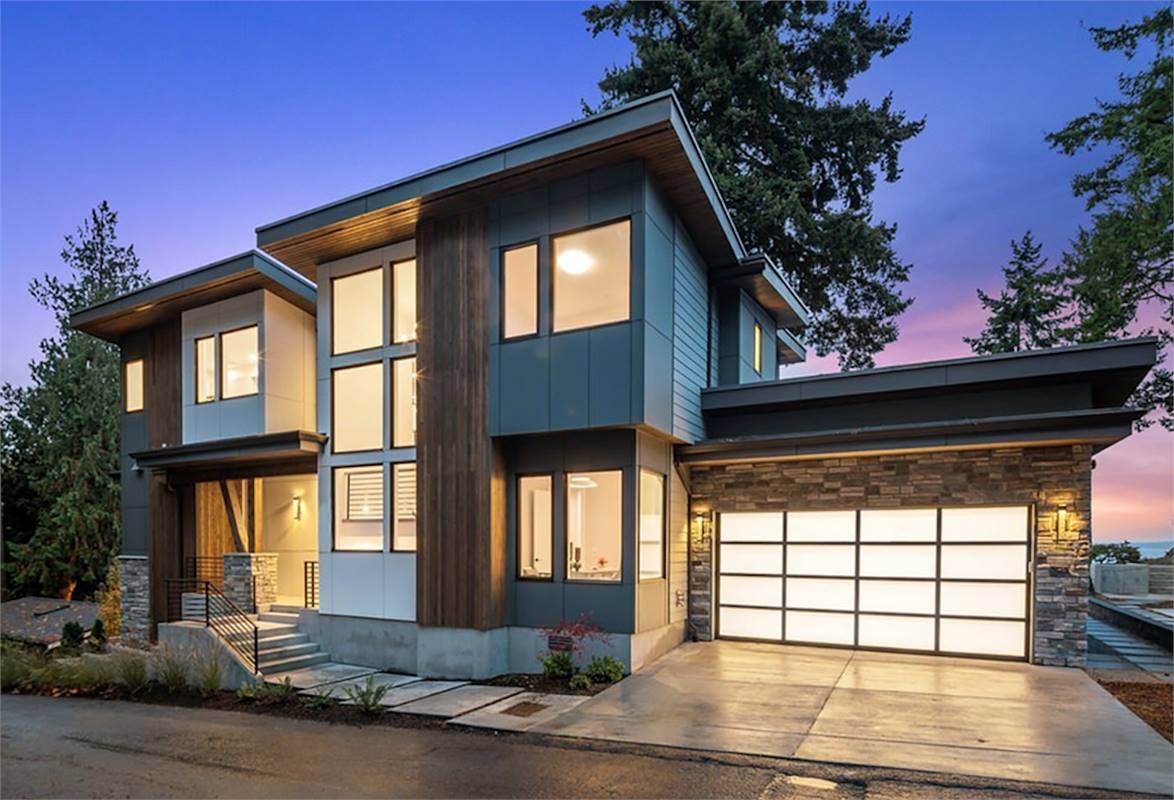 The buyers who come out ahead in this market are not the ones who waited for perfect conditions. They are the ones who treated the purchase like a business decision rather than an emotional one. Getting across current property listings in your target area is the logical first move once your financing is sorted.
No listing found.